










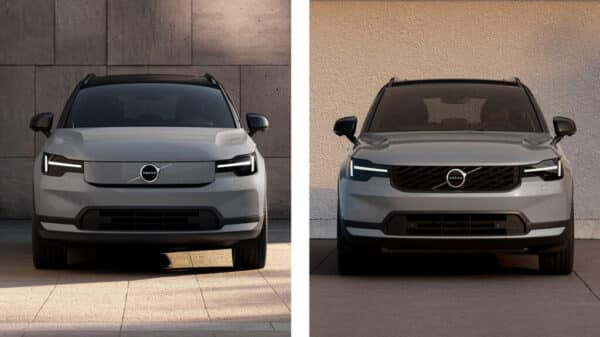






The effectiveness of an automotive recall often depends on how quickly a manufacturer can implement a permanent fix before safety risks turn into actual accidents. For Volvo, the situation has become critical in Thailand, where two EX30 electric SUVs caught fire months after a global recall was announced for the model’s battery packs. These incidents have sparked a legal confrontation between the Swedish automaker and Thai consumer protection authorities.
Recent Fire Incidents and the Scope of the Recall
The safety concerns escalated following two high-profile fires involving the all-electric crossover. The first incident took place in Bangkok in late March, while a second, more destructive fire occurred in mid-May. In the latter instance, a white EX30 was connected to a home charger when it ignited. The fire was intense enough to spread to a Ford Ranger parked in the same driveway and cause damage to the owner’s home. These events underscore the volatility of the battery issue that Volvo is currently working to resolve.
In February, Volvo issued a global recall for approximately 40,000 EX30 units due to a potential fire hazard. As a stop-gap measure, the company advised owners to limit their charging to 70% capacity. Investigations into the Thai fires revealed that both vehicles had been charged beyond this recommended limit. However, this explanation has not mitigated the concerns of local safety regulators or the affected vehicle owners.
Legal Action and Consumer Protection Concerns
Thailand’s Office of the Consumer Protection Board (OCPB) has taken a firm stance by filing a civil lawsuit against Volvo. The agency is seeking damages and full refunds for consumers, citing the significant risks posed to the public. A primary point of contention is the three-month delay between the recall announcement and the arrival of replacement parts. The OCPB is questioning why it took so long for the necessary battery packs to be shipped from China, leaving 1,668 Thai owners with vehicles they could not safely use to their full potential.
Volvo Car Thailand has confirmed that replacement battery packs have finally reached the country. The installation process is scheduled to begin on May 22, with the company estimating that each battery swap will require approximately three days of labor per vehicle.
Owner Demands: Repairs vs. Full Refunds
Despite the commencement of the repair program, many owners are expressing a lack of confidence in the vehicle. Representatives for the owners have indicated that a significant portion of the affected group is no longer interested in a battery replacement. Instead, they are demanding full refunds for their vehicles. The recall impacts two specific configurations of the electric SUV: the Single-Motor Extended Range and the Twin-Motor Performance models.
Volvo’s Response and Mitigation Efforts
In official communications, Volvo Car Thailand expressed regret over the incidents and maintained that they are providing support and remediation to those directly impacted. The company is now tasked with managing a complex logistical operation to service nearly 1,700 vehicles while simultaneously defending its brand reputation in a court of law. For consumers, the situation serves as a reminder of the growing pains sometimes associated with rapid EV adoption and the critical importance of manufacturer responsiveness during safety crises.
Summary of the Volvo EX30 Battery Crisis
The situation in Thailand represents a significant hurdle for Volvo’s electric vehicle ambitions. While the company has initiated a battery replacement program to address the known fire risks, the delay in logistics and the resulting property damage have shifted the conversation from technical repairs to legal accountability. As the OCPB pushes for refunds and damages, the outcome of this civil suit could set a precedent for how EV safety recalls and consumer compensation are handled in the region. For now, EX30 owners must decide whether to proceed with the three-day battery replacement or join the growing chorus of consumers seeking to return their vehicles entirely.