


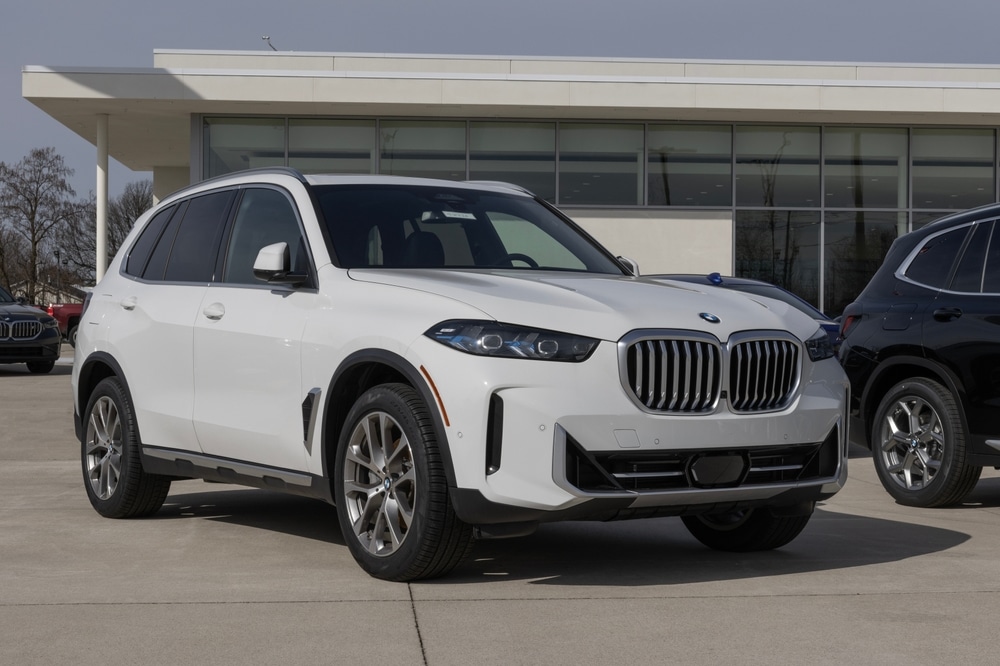
BMW is entering the final stages of development for the next-generation X5, a model that promises to set a new benchmark for luxury SUVs. Ahead of its world premiere later this year, the Bavarian automaker has provided a glimpse into the future of this iconic nameplate, revealing a versatile lineup that includes traditional combustion engines, a high-performance plug-in hybrid, and a groundbreaking fully electric variant known as the iX5. Notably, the brand has also confirmed that a hydrogen-powered version will join the stable in the coming years.
- The upcoming BMW iX5 features a massive 144 kWh battery, significantly outsizing the 113 kWh unit found in the Porsche Cayenne Electric.
- The battery-electric iX5 M60 is tuned to deliver 570 hp and is scheduled for a late 2024 debut, with a hydrogen-powered variant arriving in 2028.
- The internal combustion X5 40 receives a performance increase to 395 hp, while the X5 50e plug-in hybrid maintains its 483 hp output.
While the recently introduced iX3 utilizes the dedicated Neue Klasse architecture, BMW has opted to build the new X5 and iX5 on an evolved version of the flexible CLAR platform. This strategic decision allows the company to integrate multiple propulsion technologies—gasoline, diesel, hybrid, electric, and hydrogen—into a single vehicle architecture, catering to diverse global market demands without compromising on internal space or structural integrity.
Despite utilizing a shared platform, the electric iX5 is a showcase for BMW’s sixth-generation eDrive technology. It incorporates an 800-volt electrical system and the high-efficiency cylindrical battery cells pioneered for the Neue Klasse line. This hardware supports ultra-fast charging capabilities of up to 400 kW, dramatically reducing downtime at compatible stations.
The most striking technical detail is the energy capacity of the flagship EV. For the North American market, the iX5 60 xDrive will be equipped with a 144 kWh (net) battery pack, while European models will feature a slightly smaller 141 kWh unit. This makes it the largest battery ever implemented in a production BMW. While official range figures are pending, estimates suggest the iX5 will easily surpass a 400-mile WLTP rating, translating to over 350 miles of real-world driving range—a necessary feat given the vehicle’s substantial footprint and estimated 6,600-pound curb weight.
Performance Specifications and Enhanced Powertrains
BMW has also refined its combustion and hybrid offerings for this generation. The X5 40 xDrive, powered by a 3.0-liter turbocharged inline-six, sees its output rise from 375 hp to 395 hp. The X5 50e plug-in hybrid continues to offer a robust 483 hp, providing a balance of efficiency and immediate torque. For those seeking maximum electric performance, the dual-motor iX5 60 xDrive delivers a formidable 570 hp.
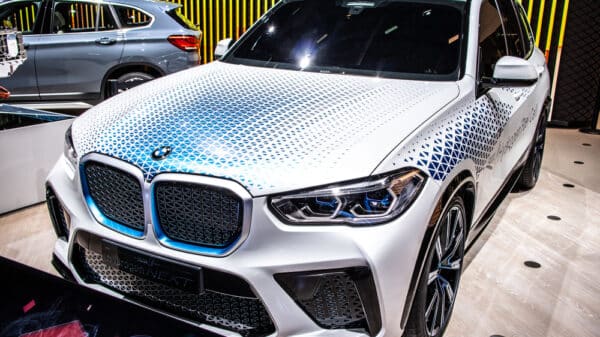
In a significant move for alternative energy, the iX5 Hydrogen is confirmed for production in 2028. This model will utilize a sophisticated flat-tank storage system, allowing it to be assembled on the same production line as its siblings. For markets where diesel remains a primary choice, BMW will continue to offer high-efficiency diesel engines in Europe, ensuring the X5 remains a global contender.
Evolution of Design and Cabin Technology
Visually, the new X5 family adopts the design language first seen on the Neue Klasse concepts. This includes a more integrated, flush-mounted kidney grille and streamlined headlight assemblies. The SUV retains its sophisticated double-wishbone front suspension and will offer wheel sizes up to 23 inches. High-end variants, including the hybrids and EVs, can be equipped with an adaptive air suspension system, active roll stabilization, and four-wheel steering to mask the vehicle’s mass and enhance agility.
The interior undergoes a digital revolution with the introduction of the Panoramic iDrive system. This setup features a wide-format display that spans the base of the windshield, complemented by a central tablet-style touchscreen and a new four-spoke steering wheel. This interface is set to become the standard across BMW’s premium lineup, including the upcoming refreshes of the 5-Series and 7-Series.
Future Strategic Outlook
By offering a comprehensive suite of powertrains within the X5 family, BMW is positioning itself to navigate the fluctuating global transition toward electrification. The inclusion of a class-leading 144 kWh battery in the iX5 demonstrates a commitment to eliminating range anxiety in the luxury segment, while the continued refinement of ICE and PHEV models ensures that the X5 remains accessible to traditionalists and long-distance drivers alike. This multi-pronged approach, culminating in the 2028 hydrogen launch, represents one of the most ambitious product strategies in the brand’s history.