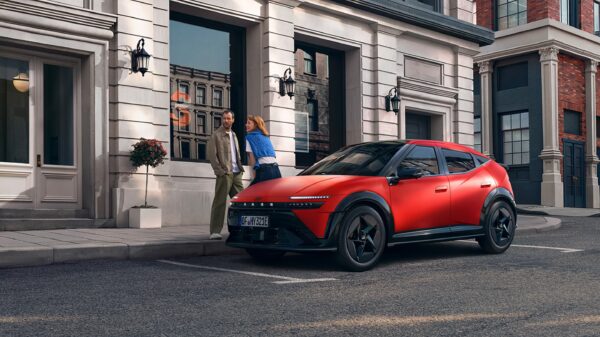
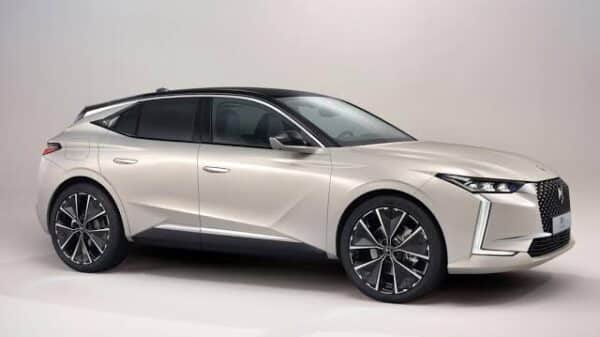
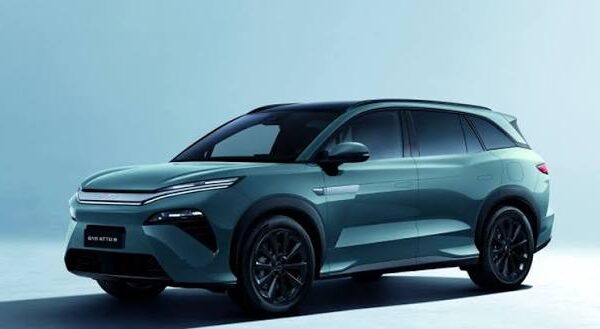



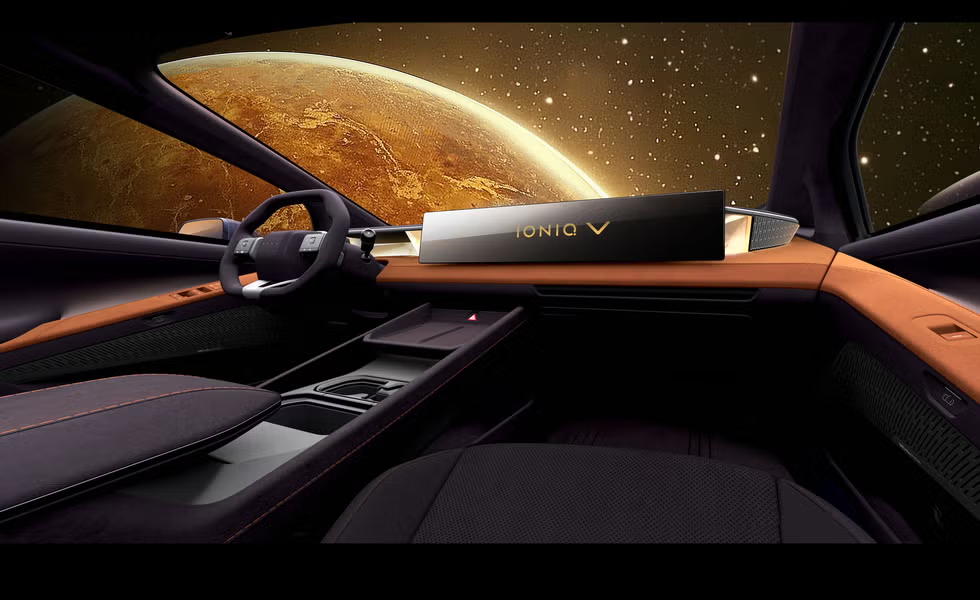
The Hyundai Ioniq V, which debuted in China earlier this year, represents a bold departure from the brand’s existing electric vehicle design language. While Hyundai’s current global EV lineup is already known for its distinctive aesthetics, the Ioniq V pushes boundaries further with a high-riding, wedge-shaped silhouette. Newly released technical specifications provide a clearer picture of what lies beneath its futuristic exterior, including impressive, albeit optimistic, range estimates.
- The Ioniq V offers a maximum claimed range of 404 miles on a single charge.
- Two Lithium Iron Phosphate (LFP) battery options are available: 53.5 kWh and 66.8 kWh.
- The vehicle utilizes an advanced 800-volt architecture for rapid charging capabilities.
Technical Specifications and Battery Options
Recent filings from China’s Ministry of Industry and Information Technology (MIIT) have finally shed light on the Ioniq V’s powertrain configurations. Hyundai has opted for Lithium Iron Phosphate (LFP) battery chemistry, a choice often favored for its durability and cost-effectiveness. Consumers can choose between two battery capacities that are relatively modest given the vehicle’s physical footprint.
The entry-level variant features a 53.5 kWh battery pack paired with a rear-mounted electric motor producing 188 horsepower. This configuration results in a curb weight between 3,763 lbs (1,707 kg) and 3,829 lbs (1,737 kg). For drivers seeking more performance and distance, the premium version steps up to a 66.8 kWh pack and a more robust 225-horsepower motor, with the total vehicle weight reaching approximately 3,985 lbs (1,808 kg).
Range Expectations and Efficiency
On the Chinese Light-Duty Vehicle Test Cycle (CLTC), the Ioniq V posts headline-grabbing numbers. The base model is rated for between 323 and 336 miles (520 to 540 km), while the larger battery variant claims an impressive 385 to 404 miles (620 to 650 km). However, it is important to note that CLTC ratings are generally considered highly optimistic compared to EPA or WLTP standards used in other regions.
In real-world driving conditions, the actual distance covered will likely be significantly lower. Industry experts estimate that the 53.5 kWh model may achieve closer to 250 miles (400 km) of usable range, while the 66.8 kWh version might settle around the 311-mile (500 km) mark. Despite this, the inclusion of an 800-volt electrical system suggests that the Ioniq V will compensate for its smaller battery sizes with high-speed charging, likely supporting speeds up to 250 kW consistent with other Ioniq-branded models.
Market Outlook and Future Availability
Beyond the standard configurations, MIIT documents hint at a potential extended-range version in the pipeline, though Hyundai has not yet confirmed those details. The manufacturer has also remained quiet regarding specific pricing, though more information is expected to surface as the vehicle nears its official launch date in the Chinese market later this year.
While the Ioniq V is currently focused on the Chinese domestic market, there is significant speculation regarding its global potential. Given its unique positioning as a crossover-sedan hybrid, the model could eventually see a release in other right-hand-drive markets, such as Australia, following its initial rollout.
Final Thoughts on the Hyundai Ioniq V
The Hyundai Ioniq V stands as a testament to the brand’s willingness to experiment with unconventional form factors and localized technology. By combining a striking “spaceship” aesthetic with efficient LFP battery technology and high-end 800-volt charging, Hyundai is positioning this model to compete in an increasingly crowded electric segment. While the laboratory range figures may be high, the Ioniq V’s blend of style and fast-charging tech makes it a noteworthy addition to the evolving electric landscape.