




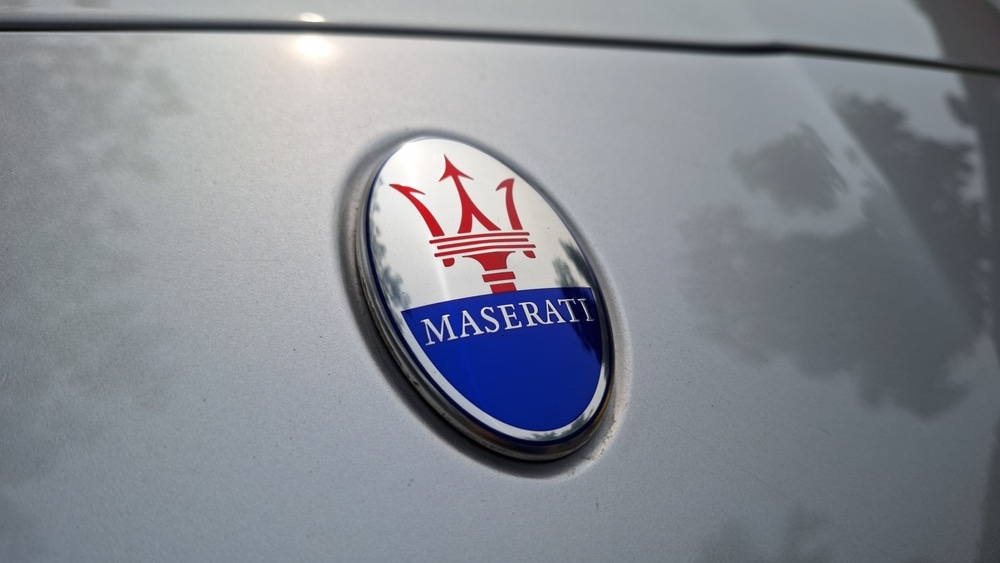
Maserati is contemplating a strategic pivot that could delight automotive purists: a return to the manual transmission. While the industry at large continues to prioritize electrification and automated driving systems, the Italian marque is looking backward to move forward, exploring the development of a limited-run flagship supercar that pairs a traditional clutch pedal with its high-performance internal combustion engine.
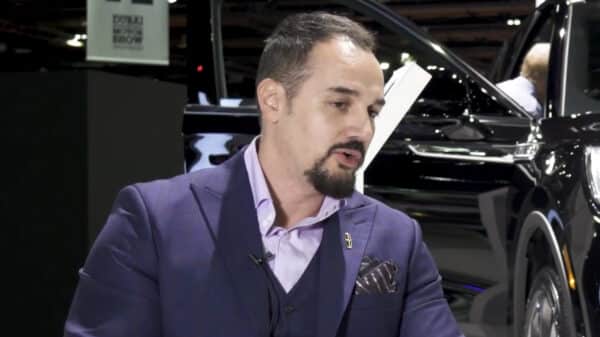
This potential shift marks a departure from recent trends where luxury brands have focused heavily on SUVs and digital integration. Instead, Maserati appears to be leaning into its heritage of driver-centric performance. Cristiano Fiorio, head of Maserati’s bespoke Bottegafuoriserie division, indicates that there is a significant appetite for this “analog” approach. According to Fiorio, roughly half of the division’s high-end clientele are specifically requesting a combination of a gasoline engine and a manual gearbox—a configuration that has become increasingly rare in the modern supercar landscape.
Meeting the Growing Demand for Authentic Driving Dynamics
The possibility of a new manual Maserati is more than just a nostalgic whim; it is a response to clear market signals from the brand’s most loyal collectors. Engineering lead Davide Danesin has characterized the reintroduction of a manual gearbox as a distinct “opportunity” for the brand. This move would place Maserati in a small, prestigious group of manufacturers—such as Porsche—that still cater to enthusiasts who value mechanical engagement over raw lap times achieved by dual-clutch systems.
While the project remains in the conceptual stages, Fiorio expressed optimism about the future of the Bottega program, suggesting that a manual offering is a logical necessity for their ultra-exclusive bespoke products. If greenlit, this project would represent the first time since the 1970s, specifically the era of the Bora, that Maserati has offered a flagship supercar with three pedals.
The Nettuno V6: The Mechanical Heart of the Flagship
Any future high-performance manual project would almost certainly revolve around the Nettuno V6 engine. This twin-turbocharged powerhouse, which currently produces 621 horsepower in its standard form without electrical assistance, has become the defining characteristic of Maserati’s modern lineup. The engine is already the centerpiece of the MC20, GranTurismo, and Grecale, and Maserati leadership views it as central to the brand’s identity.
Maserati CEO Santo Ficili and Fiorio have both emphasized that the Nettuno will remain a fixture of the brand for years to come. While the engine will eventually see mild-hybrid and full-hybrid iterations to meet modern efficiency standards, the company remains committed to preserving its character. Integrating this engine with a manual transmission would likely create a halo vehicle that acts as a spiritual successor to the legendary MC12, potentially sharing some development DNA with future special projects from sister-brand Alfa Romeo.
Strategic Partnerships and the Future of the Trident
This focus on enthusiast-grade supercars comes at a critical time for Maserati. Despite receiving critical acclaim for the MC20, the brand has faced challenges in sales and market perception. To bolster its future, parent company Stellantis is actively seeking technical partnerships. While rumors have circulated regarding a potential sale of the brand or a tie-up with Jaguar Land Rover—the latter of which has been officially ruled out—Maserati’s leadership maintains that the brand is not for sale.
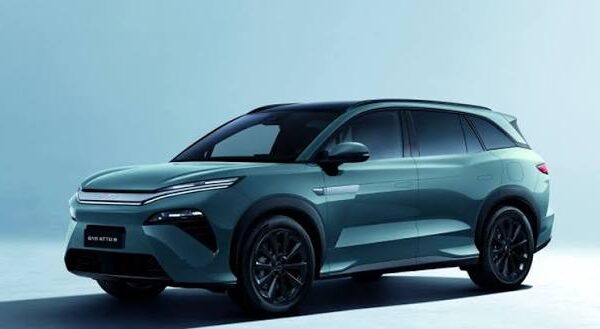
Instead, the company is looking for “excellence in electronic architecture” and parts supply, with speculation pointing toward potential collaborations with firms like BYD. CEO Santo Ficili has clarified that these discussions are aimed at strengthening Maserati’s technological foundation as the marque undergoes a strategic reset. By balancing cutting-edge tech partnerships with high-emotion, manual-transmission halo cars, Maserati aims to reclaim its status as a premier name in the global luxury performance market.
Summary of Maserati’s Shift Toward Driver-Centric Performance
Maserati is navigating a complex transition by reinforcing its identity as a manufacturer of emotional, high-performance machines. By considering a limited-edition manual supercar powered by the Nettuno V6, the brand is directly addressing a niche but highly profitable demand for mechanical purity. While broader corporate strategies involve seeking new technological partners to modernize their fleet, the commitment to bespoke, driver-focused flagship models suggests that Maserati intends to maintain its soul as it enters a new era of automotive engineering.