






When Hyundai introduced the Ioniq 5 N a few years ago, it fundamentally shifted the expectations for high-performance electric vehicles. Rather than focusing solely on acceleration statistics, the South Korean automaker prioritized driver engagement and emotional feedback, creating what many consider the first true “driver’s EV.”
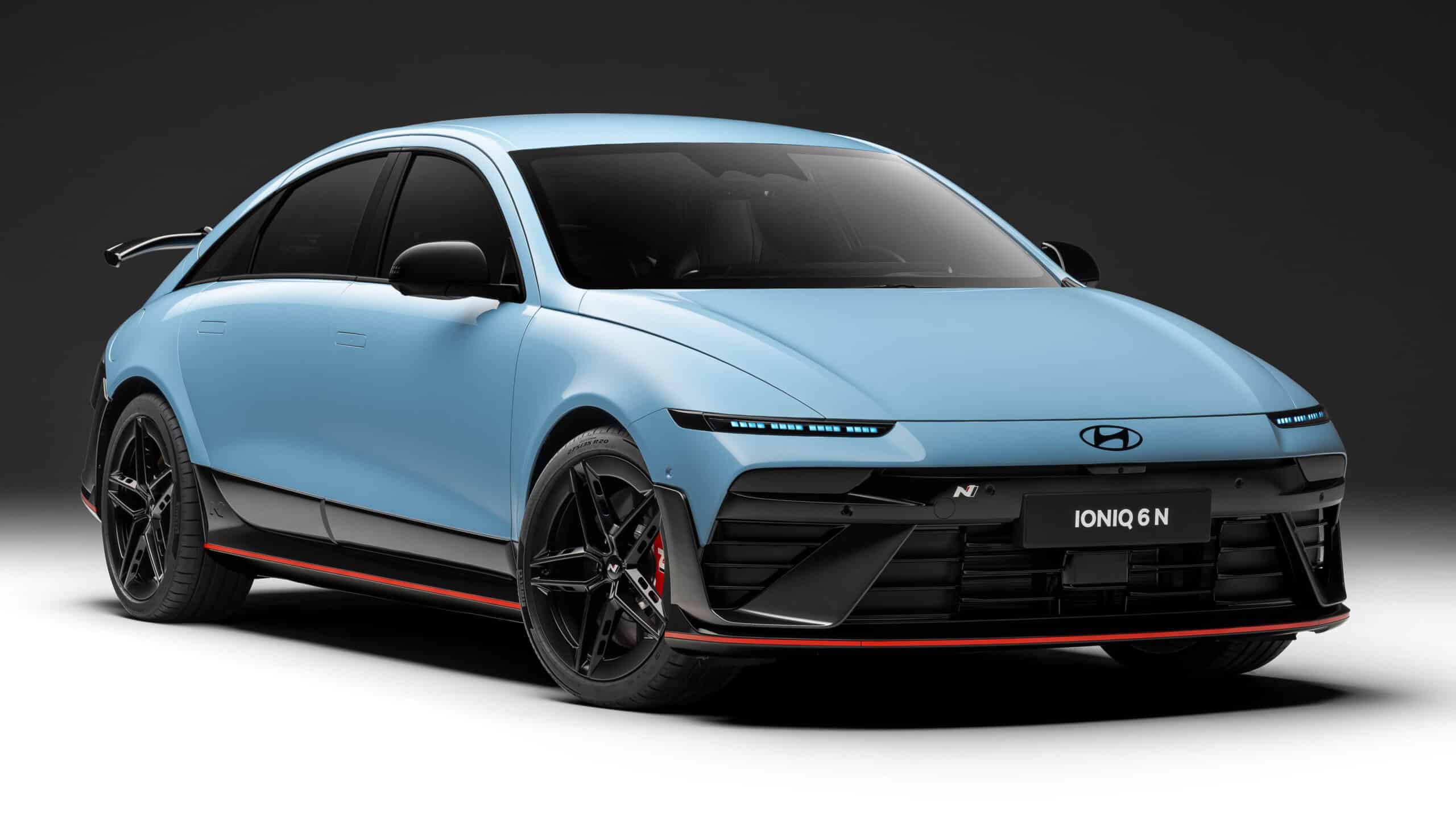
Building on that successful foundation, the brand has now unveiled its successor: the Ioniq 6 N. While it shares much of its mechanical DNA with the Ioniq 5 N, this performance sedan takes the formula further. With a lower center of gravity, enhanced aerodynamic efficiency, and a more aggressive suspension setup, the 6 N aims to deliver a sharper, more adjustable driving experience at a slightly higher price point. During recent testing at Sydney Motorsport Park, the car proved that it isn’t just a fast electric car—it is a legitimate performance machine that often makes you forget there is a battery under the floor.
Core Technical Specifications and Powertrain Details
To earn the prestigious N badge, the Ioniq 6 underwent a comprehensive mechanical transformation. At its heart is an 84 kWh battery pack paired with a dual-motor all-wheel-drive system. In standard operation, the motors produce a combined 448 kW (601 hp) and 740 Nm (546 lb-ft) of torque. When the N Grin Boost mode is activated, output climbs to a staggering 478 kW (650 hp). The electrical architecture remains industry-leading, supporting 350-kW DC fast charging that can replenish the battery from 10 to 80 percent in approximately 18 minutes.
Structural Rigidity and Advanced Suspension Engineering
True to the philosophy of the N division, the upgrades extend far beyond raw power. The Ioniq 6 N features a significantly reinforced “body-in-white,” utilizing 44 additional weld points and 340 mm of extra structural adhesive to increase stiffness. The chassis has been further refined with a lower roll center, new dual-layer bushings, and a stroke-sensing electronically controlled suspension system that adapts damping in real-time based on road input and driving intensity.
The hardware list continues with an electronic limited-slip differential (e-LSD) at the rear and a specialized steering mounting void bushing designed to sharpen turn-in response. For stopping power, Hyundai equipped the car with 400 mm front discs and four-piston calipers. Aerodynamics played a major role in the design as well; the prominent rear wing isn’t just for show—it provides 100 kg of downforce to keep the car planted at high speeds.
The suite of performance software is equally impressive. Drivers can access the N Drift Optimizer, N Launch Control, and N Torque Distribution, which offers 11 different settings to shift power bias anywhere from 95% front-to-rear to 5% front-to-rear. Additional track-focused tools include N Pedal, which uses regenerative braking to help the car rotate into corners, and N Battery Pre-conditioning to optimize temperatures for various driving scenarios.
Interior Refinements and Driver Interface
The cabin of the Ioniq 6 N balances modern EV technology with the ergonomic needs of a performance driver. While it retains the core layout of the standard model—including dual 12.3-inch displays for the instruments and infotainment—the N version adds specialized bucket seats and a dedicated steering wheel with performance toggles. The interior features a premium mix of leather and Alcantara, creating a focused yet comfortable environment.
One of the most appreciated aspects of the cabin is the retention of physical buttons. In an era where most manufacturers are moving all controls to touchscreens, Hyundai’s decision to keep tactile switches for critical functions makes the car far easier to operate at speed. While the Ioniq 6 N is a niche product aimed at enthusiasts rather than the mass market, the level of interior polish suggests it can easily double as a sophisticated daily driver.
Acceleration and Straight-Line Performance
The performance figures for the Ioniq 6 N are formidable. With N Grin Boost active, the car can hit 100 km/h (62 mph) in just 3.2 seconds. Its mid-range punch is equally violent, completing the 60-120 km/h sprint in 2.45 seconds. This level of performance was once the exclusive domain of high-end supercars, yet it is now available in a practical, four-door sedan that costs significantly less than rivals like the Porsche Taycan Turbo.
Equipped with high-performance Pirelli rubber, the car finds immense traction even under full throttle. The delivery of power is unrelenting, providing the kind of neck-snapping acceleration that has become a hallmark of the high-end EV segment.
On-Track Handling and Lateral Dynamics
Where the Ioniq 6 N truly separates itself from other electric sedans is in the corners. The ability to manipulate torque distribution allows the driver to fundamentally change the car’s personality. While a 50-50 split provides maximum efficiency and speed, shifting the bias toward the rear reveals a playful, agile chassis. In Sport mode, the stability control allows for generous slip angles, making the car feel intuitive and easy to manage at the limit of grip.
The steering is a standout feature, offering feedback and weight that rivals many combustion-powered sports cars. Despite the vehicle’s considerable weight, the suspension manages body roll exceptionally well, allowing the driver to feel exactly what the tires are doing. While the tires can begin to overheat after several aggressive laps on a hot track, the overall composure of the car remains remarkably high for a heavy EV.
N e-Shift and Synthetic Soundscapes
Perhaps the most controversial yet successful feature is the N e-Shift system. This software replicates the sensation of an eight-speed dual-clutch transmission, providing virtual “gear changes” that include a physical jolt and a temporary interruption of torque. It adds a layer of engagement that is missing from almost every other EV on the market. In the Ioniq 6 N, the system has been updated with eight virtual gears and shorter ratios compared to the Ioniq 5 N.
Working in tandem with this is the N Active Sound+ system. Using a six-channel speaker array, it produces an authentic-sounding acoustic backdrop that mimics a high-performance engine. While it may seem gimmicky to some, in practice, it provides essential auditory cues that help the driver judge speed and entry points during spirited driving.
Road Manners and Efficiency Considerations
On public roads, the Ioniq 6 N proves to be a surprisingly refined cruiser. The advanced suspension, even in its firmer settings, manages to soak up road imperfections more gracefully than the smaller i30 N. It is a car that can be used for the daily commute without compromise, only revealing its aggressive side when the driver activates the N modes.
In terms of efficiency, the Ioniq 6 N averages around 19 kWh/100 km during highway cruising. Naturally, this figure increases during spirited driving. On a race track, the battery drain is significant—roughly 8% per lap—though utilizing the aggressive regenerative braking settings can reduce that consumption to around 5%. The transition between regenerative and friction braking is seamless, maintaining a consistent pedal feel that inspires confidence.
Final Thoughts: A New Standard for Enthusiast EVs
The Hyundai Ioniq 6 N is a remarkable achievement that proves electric cars can possess soul and character. By prioritizing handling, driver feedback, and engagement over mere statistics, Hyundai has created a vehicle that resonates with traditional driving enthusiasts. It is a more capable, sharper-handling evolution of the Ioniq 5 N that manages to justify its premium price tag. While many manufacturers are still struggling to make EVs feel “special,” Hyundai’s N division has delivered a sedan that can hold its own against the best performance cars in the world, regardless of what’s under the hood.