


The original Jeep Cherokee didn’t just participate in the SUV segment; it essentially defined it for the American public. Decades ago, it sparked a shift in consumer behavior, moving families away from traditional sedans and toward the versatile, high-riding vehicles that now dominate every suburban street. It promised a blend of ruggedness and utility that captured the imagination of a generation.
Fast forward to today, and the 2026 Jeep Cherokee has fully embraced its identity as a modern crossover. While earlier iterations leaned heavily on their trail-rated DNA, this new version is unashamedly optimized for the pavement. It maintains just enough “Jeep” character and aesthetic cues to satisfy those who appreciate the brand’s heritage, even if their most adventurous trips involve a gravel driveway rather than a rock crawl.
For the average buyer, this pivot toward refinement over raw capability is likely the correct move. After testing the 2026 Cherokee Limited 4×4, it is clear that Jeep has prioritized everyday comfort and premium features, resulting in a vehicle that is far more pleasant to live with than its predecessors.
2026 Jeep Cherokee: Key Specifications
The 2026 Cherokee lineup begins at approximately $35,000, with the top-tier Overland trim reaching $43,000 before destination charges. Our specific test model, the Limited 4×4 finished in Silver Zynith with a contrasting black roof, carried a final sticker price of $45,180 after accounting for various options. While the price point pushes into the higher end of the compact crossover segment, the vehicle attempts to justify it through improved styling and interior appointments.
Exterior Styling Inspired by the Classic XJ
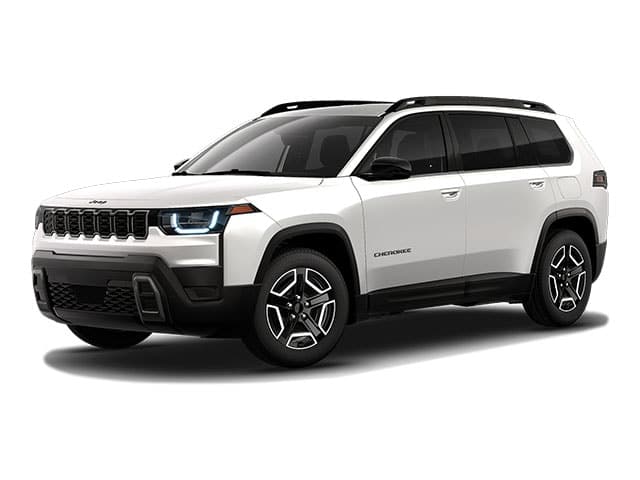
The design team clearly looked to the iconic Cherokee XJ for inspiration. The 2026 model features an upright, boxy silhouette that stands out in a segment often filled with rounded, generic shapes. Key elements like the C-pillar geometry and the flat roofline pay direct homage to the original, while the rear end remains clean and functional.
Modern touches are integrated seamlessly. The signature seven-slot grille is more cohesive within the front fascia, flanked by sharp, rectangular LED headlights. Black lower cladding provides a hint of ruggedness, though the overall look is more “urban explorer” than “mountain climber.” Compared to the previous generation, this design feels more focused and provides the Cherokee with a unique identity that separates it from its larger siblings.
Visual Details of the 2026 Cherokee
A Significant Leap Forward in Cabin Quality
The interior is perhaps the most impressive aspect of the new Cherokee. Historically, this model has struggled with mediocre materials and dated layouts. The 2026 version changes that narrative completely with a cabin that feels more mature and thoughtfully designed.
The dashboard layout is clean and horizontal, emphasizing the vehicle’s width. A large central touchscreen handles infotainment duties, but Jeep has wisely retained physical buttons and knobs for climate control—a major win for ergonomics. Material quality in the Limited trim is surprisingly high, featuring soft-touch plastics, attractive contrast stitching, and comfortable perforated leather seating.
Technology is well-integrated, with a responsive software interface and standard wireless connectivity for smartphone integration. While some hard plastics remain in lower-visibility areas, the touchpoints feel substantial. The front seats provide excellent support for long-distance cruising, and while the rear seat isn’t the largest in the class, it comfortably accommodates adults. Cargo capacity is solid at 33.6 cubic feet, benefiting from the vehicle’s square-shouldered design.
Interior Comfort and Technology Gallery
Hybrid Performance and Road Manners
The Limited 4×4 is powered by a 1.6-liter turbocharged hybrid engine producing 194 horsepower. While these figures might seem modest for a 4,200-pound SUV, the hybrid system provides enough low-end electric torque to make the vehicle feel responsive in city traffic. It isn’t a performance powerhouse, but it avoids the sluggish feeling found in some competitors. The CVT remains mostly in the background, operating smoothly during typical commutes.
Ride quality is where the Cherokee truly shines. The suspension is tuned for comfort, effectively filtering out road imperfections and expansion joints. The cabin remains remarkably quiet at highway speeds, offering a level of refinement that mimics the more expensive Wagoneer S. However, this comfort-first approach comes at the cost of steering engagement. The steering feel is notably numb and isolated, which may discourage those who prefer a more connected driving experience.
When it comes to off-roading, the Limited trim is best suited for light trails and snowy roads. During testing, the vehicle struggled with more technical terrain due to limited suspension articulation and road-biased tires. Those seeking genuine trail capability should wait for the upcoming Trailhawk variant, which will feature more aggressive hardware. For most buyers, the 37 mpg combined fuel economy and composed road manners will be more important than rock-crawling prowess.
Market Positioning and Competition
The compact SUV segment is incredibly crowded. The Toyota RAV4 Hybrid remains a dominant force for those prioritizing efficiency and resale value, while the Honda CR-V offers a more spacious interior. The Mazda CX-50 provides a more athletic driving experience with better steering feedback.
The Cherokee distinguishes itself through its classic design and premium cabin atmosphere. It appeals to buyers who want the Jeep brand prestige without the harshness of a Wrangler. It strikes a balance between suburban utility and a sense of heritage that few other crossovers can replicate.
Final Takeaway: A Refined Pivot for the Cherokee
The 2026 Jeep Cherokee represents a fundamental shift for the nameplate. It has transitioned from a rugged, trail-ready SUV into a sophisticated, comfortable crossover that excels in the environment where it will spend 99% of its time: the suburbs. While purists might mourn the loss of its mechanical edge, the reality is that Jeep has built a vehicle that is more relevant to today’s market than ever before.
It is quiet, well-appointed, and arguably the most livable Jeep ever produced in this size class. While it isn’t the fastest or the most capable off-roader, it offers a refined driving experience and a distinctive look that honors its past while looking toward a more efficient, comfortable future.