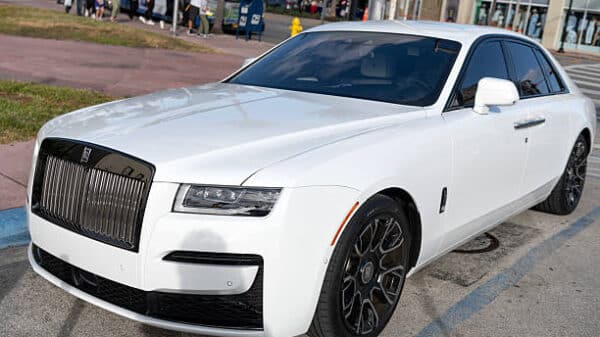



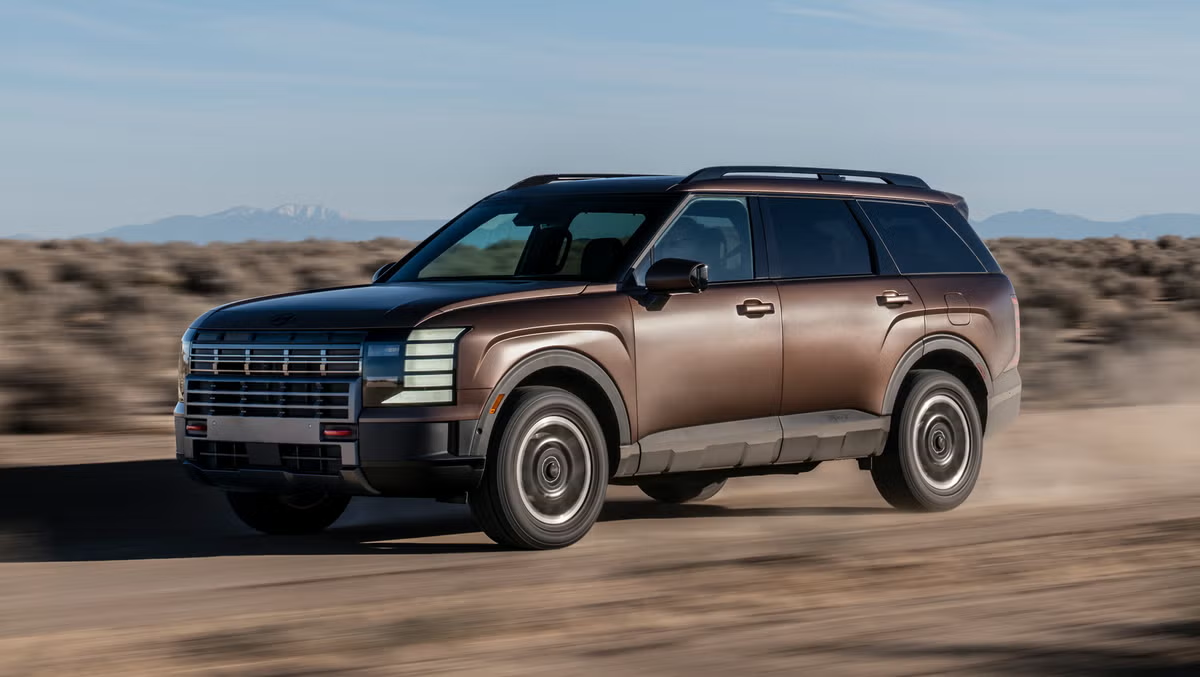
Hyundai has successfully transitioned from a value-oriented brand to a manufacturer capable of challenging the premium segment. The latest iteration of the Palisade is perhaps the strongest evidence yet of this shift. While the current Santa Fe drew frequent comparisons to the Range Rover upon its release, the updated Palisade Calligraphy takes that ambition a step further, positioning itself as a legitimate alternative to high-end flagship SUVs like the Range Rover Autobiography, but at a significantly more accessible price point.
During our time testing the range-topping Calligraphy trim, the vehicle proved to be a formidable contender in the large SUV market. It offers a level of material quality and powertrain sophistication that bridges the gap between mainstream family haulers and genuine luxury vehicles.
Essential Performance and Pricing Data
| Model | 2026 Hyundai Palisade Calligraphy (7-Seater) |
| Base Price (AU) | AU$99,390 (including on-road costs) |
| Dimensions | 5,065 mm L x 1,980 mm W x 1,805 mm H |
| Wheelbase | 2,970 mm |
| Curb Weight | 2,294 kg (5,057 lbs) |
| Powertrain | 2.5-liter Turbo 4-cylinder Hybrid / AWD |
| Total Output | 245 kW (328 hp) / 460 Nm (339 lb-ft) |
| 0-100 km/h | 6.9 seconds (as tested) |
| Fuel Efficiency | 8.0 l/100 km (as tested) |
In the Australian market, the Palisade lineup is streamlined into three primary configurations: the Elite eight-seater, the Calligraphy eight-seater, and the Calligraphy seven-seater. While the Calligraphy’s price tag approaches the AU$100,000 mark, it remains significantly more affordable than the electric Ioniq 9 Calligraphy. For comparison, a Range Rover Autobiography costs more than triple the price of this flagship Hyundai, highlighting the immense value proposition on offer.
Under the hood, all Australian models utilize a sophisticated hybrid all-wheel-drive system. This setup pairs a 2.5-liter turbocharged engine with an electric motor. This is a notable upgrade over the smaller 1.6-liter hybrid found in the Santa Fe, providing the extra torque necessary to move the Palisade’s larger frame with authority. While North American markets retain a 3.5-liter V6 option, the hybrid’s superior torque makes it the more compelling choice for modern driving demands.
A New Standard for Hyundai Interior Luxury
The interior of the Palisade Calligraphy is arguably the most refined cabin Hyundai has ever produced, rivaling even its dedicated EV flagship, the Ioniq 9. The design language is centered around a massive, high-set dashboard that integrates twin 12.3-inch digital displays. Unlike the Santa Fe, where the screens appear to float, the Palisade’s “built-in” screen architecture creates a more cohesive and upscale atmosphere.
Hyundai continues to prioritize ergonomics by retaining physical toggles and buttons for critical functions. A bank of shortcuts sits below the infotainment screen, alongside a drive-mode selector. While some buttons—such as the Hill Descent Control and camera toggles—are positioned slightly far for the driver to reach comfortably, the overall layout is intuitive. A standout feature is the oversized center console, which houses a wireless charging pad, three high-output 100-watt USB-C ports, and a UV-C sterilization compartment designed to eliminate bacteria on personal items like smartphones and keys.
Material choices are top-tier, featuring two-tone Nappa leather throughout. The driver’s seat is equipped with heating, ventilation, and a multi-setting massage function. Coupled with a 14-speaker Bose premium audio system and dual sunroofs, the cabin environment feels distinctly premium.
Spacious Accommodations for Every Row
The seven-seat configuration replaces the second-row bench with individual captain’s chairs. These seats provide a “first-class” experience, offering power adjustability, heating, and ventilation—features often reserved only for the front occupants in rival SUVs. Legroom and headroom are generous enough to accommodate tall adults comfortably over long distances.
Accessing the third row is simplified via a one-touch button that slides the second-row chairs forward. Surprisingly, the third row is more than just a space for children; it offers enough room for adults and includes luxuries like heated outboard seats and dedicated USB charging ports. Cargo versatility remains a strong suit, with the trunk offering up to 2,081 liters of space when both rear rows are folded flat via the electronic controls in the cargo area.
Engine Efficiency and On-Road Performance
Choosing the 2.5-liter turbo hybrid for the Palisade was a strategic necessity. The 1.6-liter unit from the Santa Fe would likely have felt underpowered for a vehicle weighing over two tons. The 2.5-liter system ensures the Palisade feels responsive, managing a 0-100 km/h sprint in under seven seconds. While the engine is audible when under heavy load, it remains smooth, and the electric motor provides the immediate low-end grunt required for effortless city driving.
The driving experience is defined by exceptional ride quality. Hyundai’s Australian engineering team specifically tuned the suspension for local road conditions, and the results are evident. Despite using a passive suspension system rather than expensive adaptive dampers, the Palisade handles road imperfections and large bumps with poise. It avoids the “floaty” or bouncy sensation found in some competitors, settling almost immediately after a disturbance.
While the soft suspension does result in noticeable body roll during spirited cornering, that isn’t the primary purpose of this vehicle. Instead, it excels as a long-distance cruiser. Double-laminated glass significantly reduces wind and tire noise, creating a hushed environment for highway travel. In terms of efficiency, we observed a real-world average of 8.0 l/100 km. While slightly higher than the manufacturer’s claim, it remains impressive for a vehicle of this size and weight.
Concluding Thoughts on the Palisade Calligraphy
The Hyundai Palisade Calligraphy succeeds because it doesn’t just offer more space; it offers a higher tier of luxury and engineering. For families who require three rows but don’t want to sacrifice cabin quality or settle for a sluggish powertrain, the Palisade is a standout choice. It effectively bridges the gap between mass-market SUVs and luxury titans, providing a “Range Rover” experience for a fraction of the cost. Between its advanced hybrid technology, Australian-tuned suspension, and high-end interior, it remains one of the most well-rounded and special-feeling vehicles in its class, outshining rivals like the Mazda CX-90 and Toyota Grand Highlander in overall execution.