





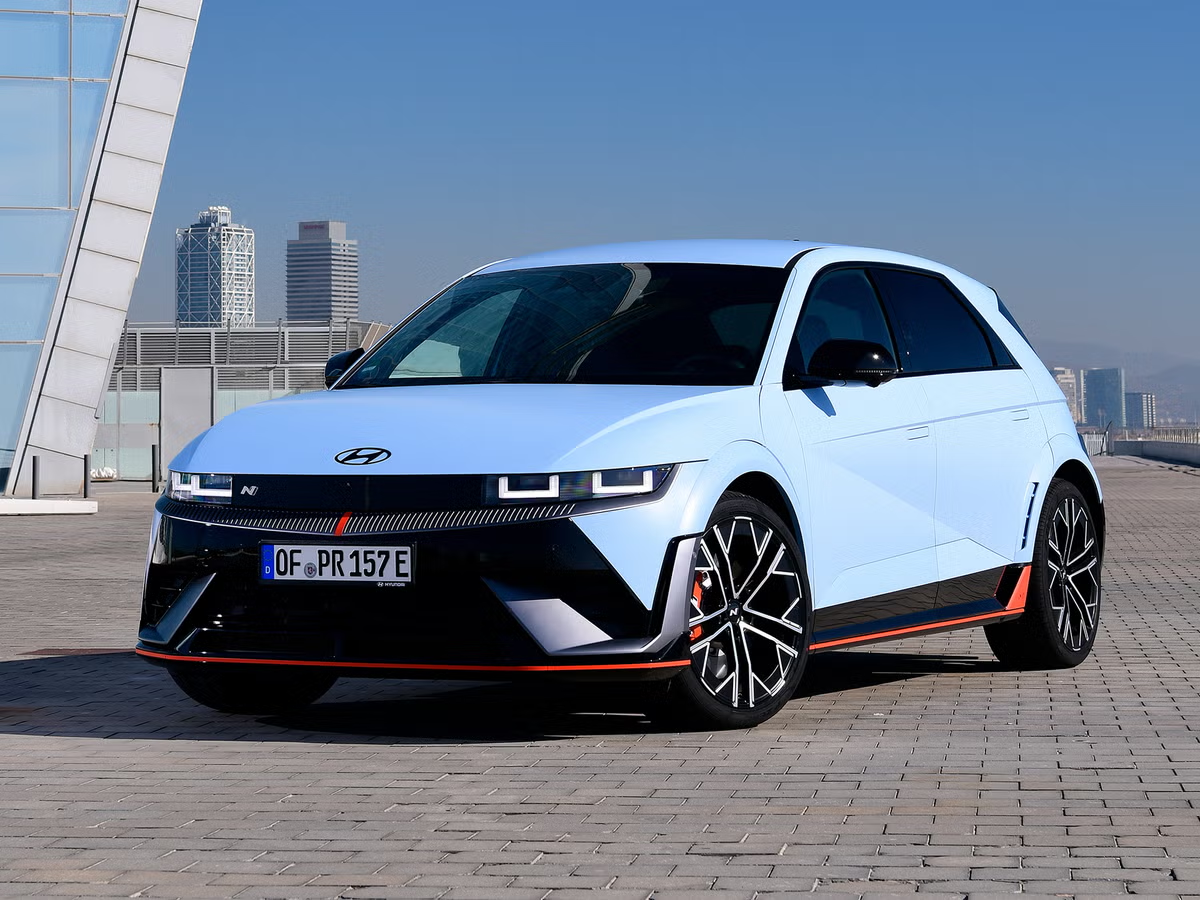
The automotive world was initially skeptical when Hyundai announced it would “fake” the sensation of a dual-clutch transmission in the all-electric Ioniq 5 N. However, the result was a revelation. By mimicking the torque interruption and tactile jolts of a traditional gearbox, Hyundai managed to solve the “one-speed” boredom that plagues many high-performance EVs. Now, that technology is preparing to migrate from the track-focused N division into the broader Hyundai lineup.
The expansion signals a shift in Hyundai’s philosophy. While most manufacturers focus solely on range and efficiency, Hyundai is prioritizing the emotional connection between the driver and the machine. By integrating synthetic gearshifts and auditory feedback into mainstream models, the brand aims to make the transition to electric power less jarring for enthusiasts and everyday drivers alike.
The Mechanics of Illusion: More Than Just a Soundtrack
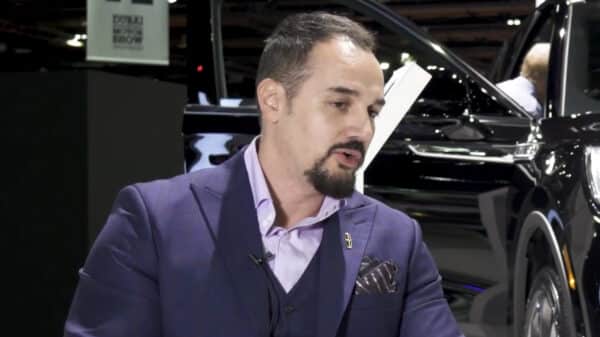
One of the most significant takeaways from Hyundai’s recent developments is that this technology is far more complex than simple speakers playing engine noises. Raf van Nuffel, Hyundai Europe’s product vice president, has emphasized that the system relies on sophisticated power management. To create the “e-Shift” experience, the car’s software briefly modulates the motor’s torque output to simulate the inertia and “shift shock” of a physical gear change.
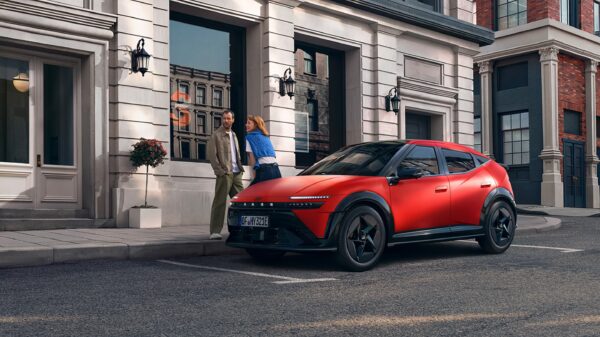
This tactile feedback is what sets Hyundai apart. In a typical EV, acceleration is a linear, uninterrupted surge. While efficient, it can feel clinical. Hyundai’s system introduces a rhythmic cadence to driving, providing a sense of speed and deceleration through feel rather than just a digital speedometer. This technology has already been integrated into the upcoming Ioniq 9, the brand’s flagship three-row SUV, proving that “engagement” isn’t a trait reserved solely for hot hatches.
The Power Threshold: Why Not All EVs Qualify
While the prospect of a more engaging drive sounds appealing across the board, Hyundai is being selective about which models receive these features. The “clutch-type” feeling requires a specific level of performance to be convincing. Without a certain amount of torque and power to play with, the simulated shifts would likely feel sluggish or artificial rather than sporty.
Consequently, base-model EVs with lower power outputs will likely remain focused on smooth, silent operation. Hyundai’s engineering team believes that the illusion of a gearshift depends on having enough “boost” to snap the driver back into their seat after the simulated shift occurs. By keeping this feature on higher-output trims, the brand ensures the experience remains a premium “value-added” feature rather than a gimmicky addition to an underpowered car.
A Strategy for Brand Differentiation
In a market increasingly saturated with silent, jellybean-shaped crossovers that offer similar driving dynamics, Hyundai is using software to carve out a unique identity. The ability to toggle these features on and off is a crucial part of the strategy. It allows the car to be a quiet, efficient commuter during the week and an engaging, “mechanical” companion on a weekend canyon road.
As the industry moves toward 2030, the “character” of an EV will increasingly be defined by its software calibration. Hyundai’s decision to move its performance-derived “party tricks” into mainstream models like the Ioniq 9 suggests that the future of electric driving doesn’t have to be silent or sterile. By giving drivers the choice to engage with their vehicle through sound and simulated feedback, Hyundai is successfully bridging the gap between the heritage of the past and the technology of the future.
Summary
Hyundai’s expansion of simulated gearshifts and engine sounds beyond the N brand represents a clever evolution in EV design. By focusing on the sensory experience of driving—rather than just the raw metrics of range and speed—the company is positioning its electric lineup as the choice for those who still love the act of driving. While these features will be reserved for models with enough power to maintain the illusion, their arrival in vehicles like the Ioniq 9 marks the beginning of a new era where electric cars can finally have a “pulse.”