







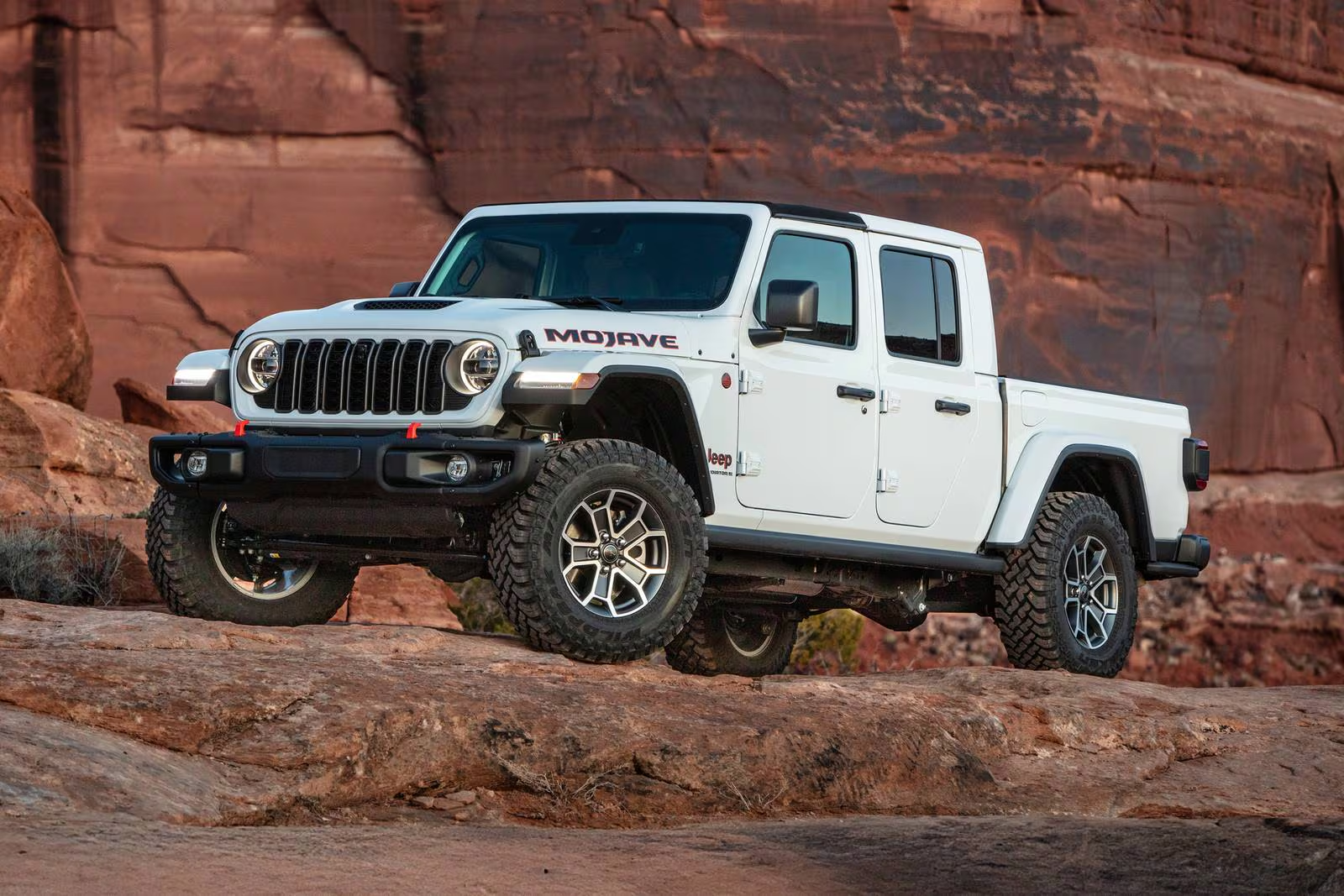
Few vehicles on the road today capture the spirit of adventure as effectively as the Jeep Gladiator. Inheriting the iconic DNA of the Wrangler, this pickup features removable body panels and, in its Rubicon trim, aggressive all-terrain tires designed for conquering the most demanding wilderness trails. It is a machine built for those who want to leave the pavement behind and explore the unknown.
However, the reality for the average owner is often more grounded. Like most heavy-duty off-roaders, the Gladiator frequently finds itself navigating urban congestion rather than scaling rocky peaks. To be a viable daily driver, it must balance its rugged capabilities with highway manners, family-friendly practicality, and enough maneuverability to handle a standard grocery store parking lot.
After spending a week with the 2026 Gladiator, it is evident that while the vehicle remains a master of its intended domain, it does require some compromises in daily usability. Nevertheless, it offers a character-rich pickup experience that remains largely unchallenged by any direct competitor.
Key Specifications and Market Position
In the Australian market, the Gladiator lineup has been streamlined for 2026. Previously offered in various trims, it is now exclusively available in the high-spec Rubicon configuration, powered by the tried-and-true 3.6-liter Pentastar naturally-aspirated V6 engine. This move simplifies the range but also positions it as a premium niche product.
Design and Presence
With a price tag of AU$82,990 (climbing to approximately AU$90,515 on-road), the Gladiator is a significant investment compared to standard mid-sized pickups. Its most prominent rival is arguably the Ford Ranger Raptor; however, the Raptor carries a higher price point and offers a more sophisticated suspension setup alongside a more powerful powertrain. Our test model, finished in the striking Mojito! Green with Rubicon-specific graphics and 17-inch wheels, certainly commands attention on the road.
A Blend of Modern Tech and Classic Utility
Interior Comfort and Technology
The Gladiator’s cabin has remained largely consistent since its debut, with one major exception: the introduction of a 12.3-inch infotainment touchscreen. This display runs the latest corporate software, offering intuitive menus, dedicated off-road telemetry pages, and the convenience of wireless Apple CarPlay and Android Auto.
This modern interface sits in stark contrast to the rest of the interior, which maintains a rugged, analog aesthetic. While many modern EVs are moving toward minimalist, button-free dashboards, the Gladiator retains a wealth of physical switches for climate control and drivetrain settings. For many drivers, these tactile controls are a welcome relief, offering ease of use that touchscreens often lack.

Entering the cabin requires a bit of technique; taller occupants must be mindful of the roof pillar to avoid a bump to the head. While the overall build quality feels robust, the seats could benefit from additional lateral support for longer journeys. However, the sheer size of the vehicle—measuring over 5.5 meters long—results in a surprisingly spacious rear cabin. Legroom is generous, and the inclusion of a manual sliding rear window adds a touch of classic utility.
In terms of pure hauling, the Gladiator is more of a lifestyle tool than a dedicated workhorse. Its payload capacity of 693 kg and braked towing limit of 2,721 kg fall short of the 3,500 kg standard typically found in this segment. Those prioritizing heavy-duty towing may find the Gladiator’s limits a bit restrictive.
Powertrain and Driving Dynamics
The 3.6-liter V6 produces 209 kW (280 hp) and 347 Nm of torque. While these figures are respectable, they are tasked with moving a vehicle that weighs over 2.2 tons. The engine provides a satisfying, guttural sound and feels more substantial than smaller turbocharged alternatives, though it lacks the explosive performance found in the Ranger Raptor’s twin-turbo V6.
The eight-speed automatic transmission manages gear changes smoothly, though it isn’t designed for rapid-fire shifting. Fuel efficiency also remains a challenge for this large-displacement engine. While the official combined rating is 12.4 L/100 km, real-world testing in varied conditions saw that figure rise to 14.7 L/100 km.
Road Performance vs. Trail Mastery
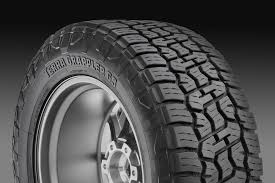
On the asphalt, the Gladiator’s off-road hardware makes its presence known. The combination of solid front and rear axles and 33-inch BFGoodrich tires leads to a ride that is less refined than its independent-suspension rivals. The steering can feel somewhat vague, requiring frequent small corrections, and the hum of the aggressive tire tread is noticeable at highway speeds.
In Australia, the lack of a more road-biased trim is a missed opportunity for buyers who love the Gladiator’s look but rarely venture into the mud. However, once the pavement ends, the Rubicon’s compromises become its greatest strengths. Equipped with the Rock-Trac 4×4 system, a 4:1 low-range ratio, electronic locking differentials, and a disconnecting front sway bar, the Gladiator is nearly unstoppable.
With 281 mm of ground clearance and an 800 mm wading depth, it handles boulders, steep inclines, and water crossings with ease. The only physical limitation is its considerable length; the long wheelbase requires careful planning when navigating tight, winding trails to avoid high-centering or making multi-point turns.
Ownership and Lifestyle Appeal
Despite its age and specific quirks, the Gladiator continues to find a dedicated audience. In the United States, sales remain steady, as the vehicle offers features no other pickup can—such as the ability to completely remove the roof and doors for a true open-air experience. This “emotional” appeal often outweighs technical shortcomings for the Jeep faithful.
Summary of Findings
The 2026 Jeep Gladiator Rubicon is a niche vehicle that prioritizes personality and off-road dominance over clinical road manners or class-leading towing. While its singular trim availability in Australia may limit its mass-market appeal, it remains a unique proposition for those who want a pickup that doubles as a serious adventure tool. If you are looking for a vehicle that balances rugged capability with an unmistakable “go-anywhere” attitude—and you’re willing to accept the fuel and refinement trade-offs—the Gladiator stands in a class of its own.