

















- The CALLUM design house has unveiled the GT1, a track-focused evolution of its modernized Jaguar XJ220.
- A striking yellow finish distinguishes the GT1 from the earlier “standard” concept reveal.
- The project is currently presented as a design study, exploring the limits of bespoke coachbuilding.
The legendary Jaguar XJ220, a car that once defined the pinnacle of automotive speed, is receiving a contemporary resurgence through the vision of Ian Callum. Following the initial reveal of a modernized “reborn” XJ220, the CALLUM design and coachbuilding studio has shared new imagery of an even more potent variant: the GT1. While the first renders showcased a refined road-going supercar, this latest iteration leans heavily into motorsport inspiration.
According to the studio, the vibrant yellow GT1 is a tribute to the golden era of GT racing. It serves as a visual exploration of how the classic grand tourer philosophy can be translated into a modern, performance-oriented context. This study emphasizes both the heritage of the original Jaguar and the cutting-edge capabilities of modern design.
Aerodynamic Enhancements and the GT1 Vision
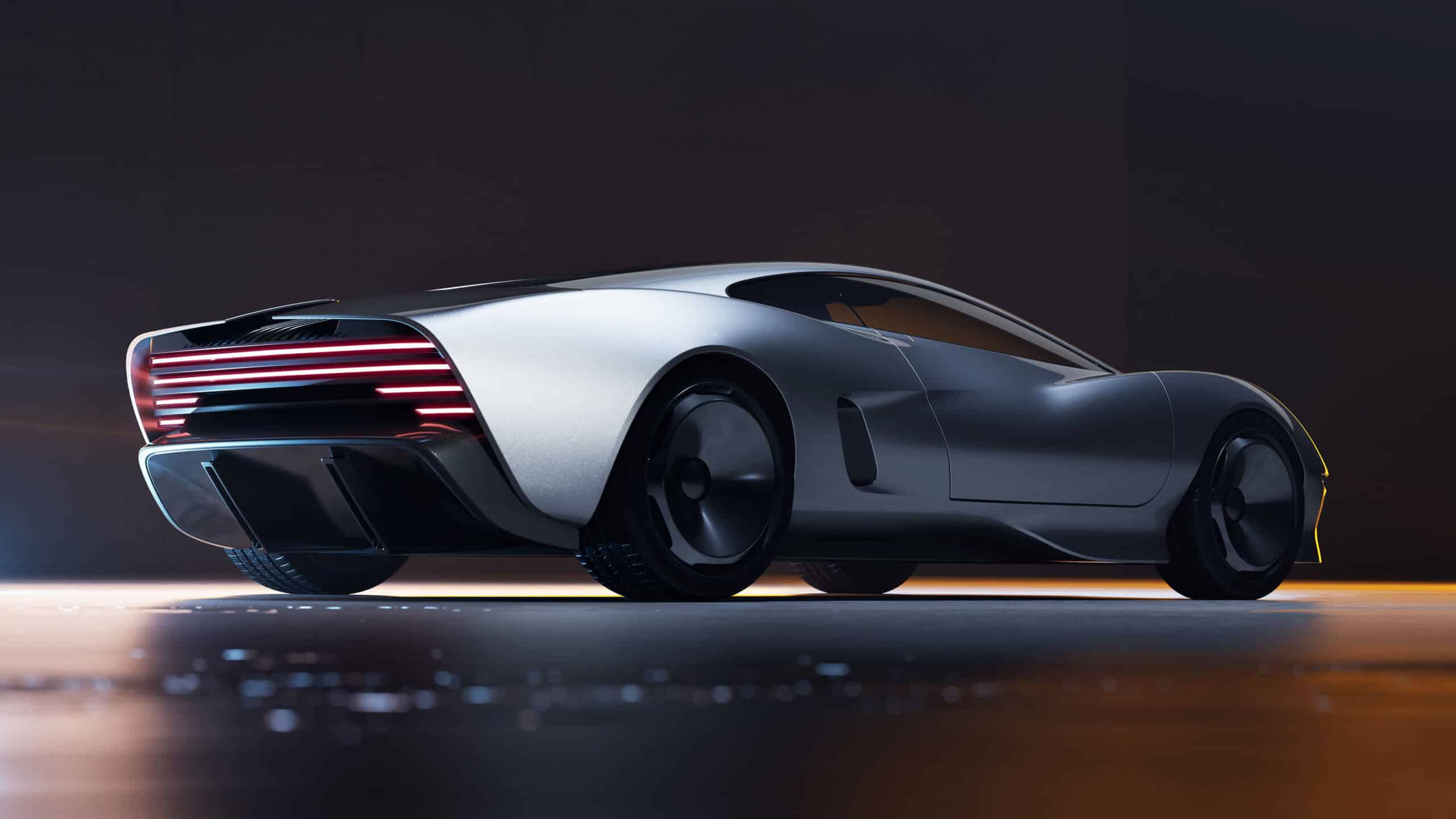
The primary focus of the GT1 transformation lies in its comprehensive aerodynamic overhaul. Designed for the circuit, the vehicle features a redesigned front end equipped with a prominent splitter and integrated canards to manage airflow. The profile is sharpened by aggressive side skirts, leading back to a massive rear wing that emerges from the rear fenders to provide essential downforce. The look is completed by a bespoke set of wheels tailored for the track-focused aesthetic.
While technical specifications remain speculative, any production version would have to address the heart of the XJ220. The original production car utilized a 3.5-liter twin-turbocharged V6, producing 542 horsepower and 475 lb-ft of torque. This powertrain allowed for a 0-60 mph sprint in 3.6 seconds and a top speed of over 212 mph. However, enthusiasts often recall that the original concept car was designed for a V12—a path CALLUM could potentially explore if this design study transitions into a physical reality.
Preserving the XJ220 Heritage Through Modern Engineering
Ian Callum’s career at Jaguar was defined by masterpieces like the XK, XF, and the F-Type. Although he didn’t design the original XJ220 during his tenure, his studio is now perfecting the one that got away. This modern interpretation respects the iconic, flowing silhouette of the 1990s legend while replacing every exterior panel with fresh, contemporary craftsmanship. The result is a vehicle that feels familiar yet entirely new.
Significant updates include the transition from traditional pop-up headlights to sleek, narrow LED units that align with modern supercar aesthetics. Despite these changes, the design retains signature elements like the scuttle between the hood and the windshield, ensuring the car’s DNA remains intact. The side profile reveals larger air intakes to satisfy the cooling needs of a high-performance engine, while the rear features a completely new bumper and diffuser setup, opting for a cleaner decklid on the standard model or the high-mounted wing on the GT1.
The feasibility of such a project is supported by CALLUM’s track record, including the successful restoration and modernization of Jaguar C-X75 prototypes. Bringing the GT1 to life would likely require a dedicated XJ220 owner to provide a donor chassis for this extensive coachbuilt transformation. For now, it remains a captivating look at what happens when a design legend reimagines one of history’s most misunderstood supercars.
Summary: The CALLUM GT1 represents a bold intersection of 90s supercar nostalgia and modern racing technology. By applying aggressive aerodynamics and contemporary lighting to the timeless XJ220 shape, Ian Callum has created a design study that honors the past while pushing the boundaries of bespoke automotive engineering. Whether it remains a digital exercise or becomes a limited-run reality depends on the appetite of collectors looking for a truly unique piece of British motoring history.