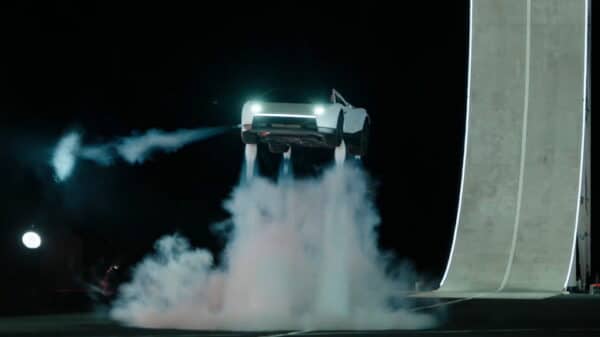








- The Tesla Cybercab is slated to join the Austin-based robotaxi fleet within the month.
- A public rollout is expected to follow the successful completion of employee-only trials.
- Tesla’s current autonomous ride-hailing presence in Austin is limited to 186 Model Y vehicles.
Nearly two years since its high-profile debut, the Tesla Cybercab is transitioning from a concept to a functional part of the company’s autonomous ride-hailing ecosystem. The dedicated self-driving EV is currently being prepared for its public debut in Austin, Texas, where Tesla already operates a nascent robotaxi service.
While Tesla has been conducting real-world testing on public thoroughfares for several months, access has been strictly controlled. Until recently, only Tesla staff were permitted to utilize the Cybercab for commutes on private roads surrounding the company’s Austin headquarters. This phased approach has allowed the automaker to refine the software and hardware interface before exposing the vehicle to the general public.
According to industry reports, the official public introduction of the Cybercab is scheduled for late August. A critical step in this rollout involved Tesla coordinating with Austin’s first responders. These training sessions focused on safety protocols and emergency procedures specific to the Cybercab’s unique architecture, ensuring that local authorities are equipped to handle any potential road incidents involving the driverless cars.
To generate momentum for the launch, Tesla has launched an incentive program for its existing Austin fleet. Local users who book rides through the current service before August 23 are eligible for an invitation to the Cybercab’s official launch event. Tesla has indicated that frequent users will have a higher probability of being selected, though it remains unclear if the event will offer attendees actual test rides in the steering-wheel-free vehicle.
Evaluating the Current Scale of Tesla’s Robotaxi Operations
The integration of the Cybercab marks a pivotal moment for Tesla’s mobility goals, yet the current scale of the operation remains modest. Despite ambitious long-term projections for a massive global fleet, Tesla’s Austin-based autonomous service currently relies on just 186 specially equipped Model Y vehicles. This small footprint highlights the experimental nature of the service as it stands today.
Production of the Cybercab officially commenced at the Texas Gigafactory in July. However, automotive experts and internal projections suggest that mass production is not likely to hit its stride until next year. Consequently, the initial influx of Cybercabs into the Austin fleet will likely be gradual rather than a sudden saturation of the market.
Technical details regarding the final production interior remain a point of interest. Recent sightings of Cybercab prototypes have revealed various configurations, some featuring traditional controls like pedals and steering wheels, while others are entirely devoid of manual overrides. As the launch date approaches, the industry is waiting to see which version will be deployed for public use and how Tesla will navigate the regulatory requirements for vehicles without conventional controls.
Closing Summary
The arrival of the Cybercab in Austin represents Tesla’s first major step in deploying a purpose-built vehicle for its autonomous network. While the current fleet size is small and volume production is still months away, the transition from employee testing to public availability, combined with localized emergency responder training, suggests that Tesla is finally moving toward a scalable robotaxi business model. The success of this Austin pilot will likely serve as the blueprint for Tesla’s future expansion into other urban markets.