



Peugeot is leveraging its prominent status within the Stellantis conglomerate to spearhead the implementation of cutting-edge automotive technologies across its upcoming vehicle lineup.
- The product offensive begins with the next-generation electric 208 and 2008 SUVs.
- Successors to the popular 308 hatchback, 308 SW, and 408 crossover are currently in development.
- Innovative new models designed in collaboration with Dongfeng are slated for the Chinese market.
Peugeot’s Strategic Roadmap: Seven New Models by 2030
Peugeot has outlined an ambitious growth strategy that involves launching or refreshing seven distinct models for the European market by 2030. By utilizing the extensive resources of its parent company, Stellantis, the French automaker intends to balance its portfolio between high-performance electric vehicles and traditional internal combustion or hybrid powertrains.
While the brand previously suggested a transition to an all-electric lineup in Europe by 2030, current plans reflect a more diversified approach. The immediate focus remains on the upcoming electric 208 and 2008. These zero-emission variants will be introduced alongside refreshed gasoline and hybrid versions, ensuring the brand remains competitive across various powertrain preferences.
Harnessing Stellantis Technology for a Competitive Edge
Beyond its compact offerings, Peugeot is prioritizing the renewal of its larger segments. CEO Alain Favey has confirmed that the brand is preparing successors for the 308 hatchback, the 308 SW wagon, and the 408 fastback. Peugeot’s high sales volume—currently at 1.1 million units annually with a target of 1.5 million by the end of the decade—positions it as a primary recipient for the group’s latest innovations.
This scale allows the brand to absorb the development costs of new technologies more effectively than smaller subsidiaries. Consequently, Peugeot will be among the first to debut the STLA One architecture and the STLA Brain electronic system. While the new electric 208 and 2008 will utilize this advanced platform, the updated combustion and hybrid versions will continue to use existing underpinnings during this transition period.
Innovative Designs and Expansion into the Chinese Market
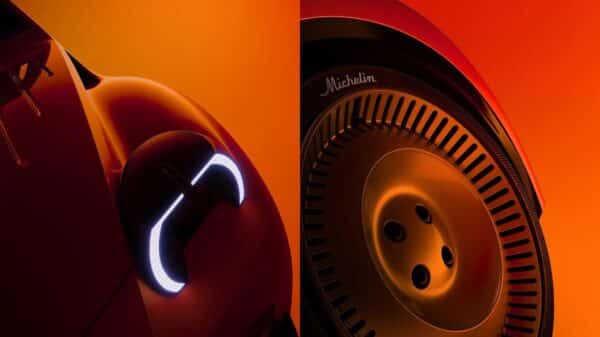
The brand’s expansion isn’t limited to Europe. In partnership with Dongfeng, Peugeot is set to launch two ground-breaking models in China next year. These vehicles were previewed by the Concept 6 and Concept 8, which showcased a striking new design language featuring aggressive horizontal LED light signatures—a styling cue that is expected to permeate the rest of the Peugeot range.
According to Favey, a unique design identity is critical for distinguishing the brand from its competitors, particularly those from Asia. The goal is for every Peugeot to be immediately recognizable through its bold aesthetics, ensuring the brand maintains a distinct visual presence that stands apart from manufacturers like Hyundai or Kia.
Summary: Peugeot’s Path Toward Global Market Growth
Peugeot is navigating a complex automotive landscape by combining rapid electrification with the continued refinement of hybrid and internal combustion engines. By leveraging its significant scale within Stellantis to access premier hardware and software, and doubling down on a unique French design philosophy, the brand aims to solidify its position as a global leader and reach its ambitious 1.5-million-unit sales target by 2030.