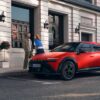





GAC Aion, a dominant force in China’s electric vehicle sector, has introduced the Ray 7, a sophisticated sedan designed to prioritize efficiency and smart technology. As the debut model of the brand’s new Ray series, this vehicle shifts the focus away from the extreme performance wars seen in competitors like the Xiaomi SU7, aiming instead for a more practical and accessible market position.
A Dedicated Rear-Wheel-Drive Foundation
The Ray 7 is built upon a specialized rear-wheel-drive platform engineered for a refined driving experience. To ensure a balance between comfort and handling, GAC Aion has equipped the sedan with a double-wishbone front suspension and a five-link rear suspension system. While specific battery capacities have not been disclosed, the manufacturer confirmed that power will be supplied by units from both the industry leader CATL and GAC’s proprietary Yinpai Battery division.
Optimized Efficiency and Practical Performance
In a market often fixated on four-digit horsepower figures, the Ray 7 takes a more measured approach. It features a single rear-mounted electric motor capable of producing 241 hp. While modest by supercar standards, this output is more than sufficient for daily commuting and highway travel. This focus on moderation pays off in efficiency; the Ray 7 reportedly achieves an energy consumption rate of just 9.7 kWh per 100 km. If these figures hold true in real-world conditions, it would rank among the most efficient electric sedans currently available. GAC Aion is targeting an impressive driving range of approximately 435 miles (700 km) based on the CLTC testing cycle.
Sleek Design and Substantial Proportions
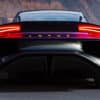
According to recent regulatory filings, the Ray 7 is a sizable sedan, measuring 195.2 inches (4,960 mm) in length and 74.8 inches (1,900 mm) in width. Its 115-inch (2,920 mm) wheelbase suggests a spacious interior, while the 57.2-inch (1,455 mm) height contributes to its aerodynamic profile. The exterior design is characterized by a modern fastback silhouette, a sloping roofline, and a prominent full-width LED light bar that defines the vehicle’s front identity.
Robotaxi-Derived Autonomous Hardware
Perhaps the most intriguing aspect of the Ray 7 is its suite of autonomous driving hardware. The vehicle incorporates technology developed for WeRide’s Level 4 robotaxis, utilizing an array of 27 high-fidelity sensors. This includes a LiDAR unit provided by Huawei and three 4D millimeter-wave radars. Although the Ray 7 is not classified as a fully autonomous Level 4 vehicle, this hardware allows for advanced driver assistance features, such as point-to-point automated navigation and sophisticated self-parking capabilities.
Summary of GAC Aion’s Strategic Move
The Ray 7 represents a strategic shift for GAC Aion, focusing on the integration of high-end sensor technology and class-leading efficiency rather than raw acceleration. By leveraging robotaxi-grade hardware and a highly efficient powertrain, the Ray 7 offers a compelling package for tech-focused drivers who value range and smart features over high-performance specs. This approach could set a new benchmark for value in the mid-to-large electric sedan segment.